|

From the 1940s onwards the Athenian poets, in contrast to the Heptanesian ones, seemed to be set on selecting the archaizing language. The influence of the Soutsos brothers and Alexandros Rizou Ragavis on the linguistic opinions which prevailed in poetic style are obvious. On the other hand, the poetry competitions which began in 1851 intensified this spirit to such an extent that they excluded the works of
poets writing in the demotic.
The example of Kalvos and Solomos was forgotten or publicly criticized. The national ideology, irredentism and the 'Great Idea' which determined the politico-social framework of the time affected the course of poetry and cultural themes in general. The promotion and cult of the ancient Greek past actually imposed the archaization of the language. At the same time the typical repeated motifs, which characterized a generation of poets, dominated. These were grief, misery, disappointment, darkness, death and cemeteries.
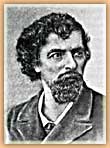
The way had now been prepared for three poets, each a basic representative of the First Athenian School and of the romantic atmosphere. These poets were Achilleas Paraschos (1838-1895), Dimitrios Paparrigopoulos (1843-1873) and Spyridon Vasileiadis (1845-1874).
Paraschos was the main poet in Athenian circles after the middle of the 19th century and he expressed in his work a grave atmosphere of mourning and death. Indeed, the suicides of intellectuals or their deaths at a young age, like Paparrigopoulos and Vasileiadis, show that this romantic refusal consisted in a diffuse attitude towards life which exceeded their poetic inspirations. In 1861 D. Paparrigopoulos published the Skepseis enos listou i i katadiki tis koinonias (Thoughts of a bandit, or the condemnation of society), a work of harsh social criticism.
He appeared again in 1866 with the poetic collection Stonoi (Sighs), integrated into the general atmosphere of pessimism. In the same year Vasileiadis published the work Eikones kai kymata (Images and waves), preserving an identical style to that used previously.
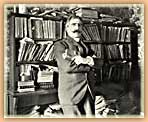
The last significant poet of this school is Ioannis Papadiamantopoulos (1856-1910). In 1878, he published the poetic collection Trygones kai echidnai (Turtledoves and Vipers), his only poetic work published in Greek. A little later he went to France where he continued to write in French under the name Jean Moreas. His efforts would constitute the last flush of the First Athenian School and Romanticism, before the rise of the generation of the 1880s changed the face of literature.
|
 |