 profit. The only motivation for further utilization of the land was to fulfil taxation obligations, the dekate (tithe) and to a lesser extent, the demands of the market. These motivations, however, were met by an increase in the extent of the land cultivated instead of an improvement in the efficiency of existing technology and farming practices. Byzantine farmers were not interested in preserving the quality of the land. They preferred crops that gave a high yield with the least physical labour, such as fruit and olive trees.
In the 12th century the growth of the population and perhaps some trade factors seem to have given an impulse to Byzantine agriculture. The innovations that appeared in the West at this time, however, were not matched in Byzantium, apart from some types of imported machinery (such as the windmill). The peasants still used light wooden ploughs with movable iron shares, drawn by oxen. Threshing was not carried out with wooden implements but rather with animals that trod the seed out of the ear. Finally, iron implements were rare: Michael Choniates complained that in the Athens of the late 12th century there were no smithies - even knives and other implements had to be imported from Gardike!
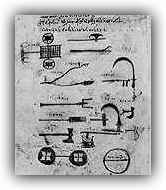
In some texts of this era (in the work of the monk Gerontios found in the Monastery of St Marina near Smyrna, in the Eureterio (Directory) of the Xylourgos monastery and in liturgical books) mention is made (and occasionally pictures drawn) of the agricultural implements used at this time: the yni (share), the makela and the lisgarion (mattock), the pelekys (axe), the kladeuterion (billhook), the prion (saw), the dikelli (spade) and the axini (hoe), the trypanion (gimlet), the smile (chisel) and the drepanon (short sickle). The shape of these Byzantine implements can be seen in depictions in Late Byzantine manuscripts of the Works and Days of Hesiod and others.