In
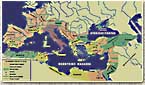
 The Imperial provinces were divided into those whose governors came from the Senate as Imperial ambassadors (legati augusti pro praetore), and those which (from the mid-first century AD onwards) were governed by equestrians -the so-called prefects or procurators. Both ambassadors and prefects/procurators were appointed by the emperor and, unlike other officials, were not bound by the institution of service for a period of one year, but remained in their province until recalled by the emperor himself.
Every governor was accompanied to his appointed province by a certain number of advisers and staff, who were known as his comites ('companions'), the number apportioned being proportionate to his social standing. Nevertheless, if he was to govern at all effectively, he would have to work closely with the local officials, since it was essential to take note of the provincial people's traditions and sensibilities. The administrative system of provincial organization
was perhaps the most representative example of the way
Roman political theory was put into practice, a theory
which did not favour the separation of administrative,
legislative, judicial and military responsibilities.
Governors seldom acted off their own bat or intervened in
local authorities' decisions, |